Most players chasing a royal flush treat video poker like a slot, hoping the reels align without a plan. That approach wastes bankroll and ignores the math sitting right under the hood. As a slot mathematician, I see the same mistake every week: people overvalue a flashy payline and undervalue a disciplined hold. The real edge here comes from treating the hand like a decision engine, not a lucky dip. If you want to understand the odds instead of just hoping for a miracle, you can start by checking the fine detail on a 21 bit no deposit bonus that lets you test the maths without burning cash upfront.
The maths behind the royal chase
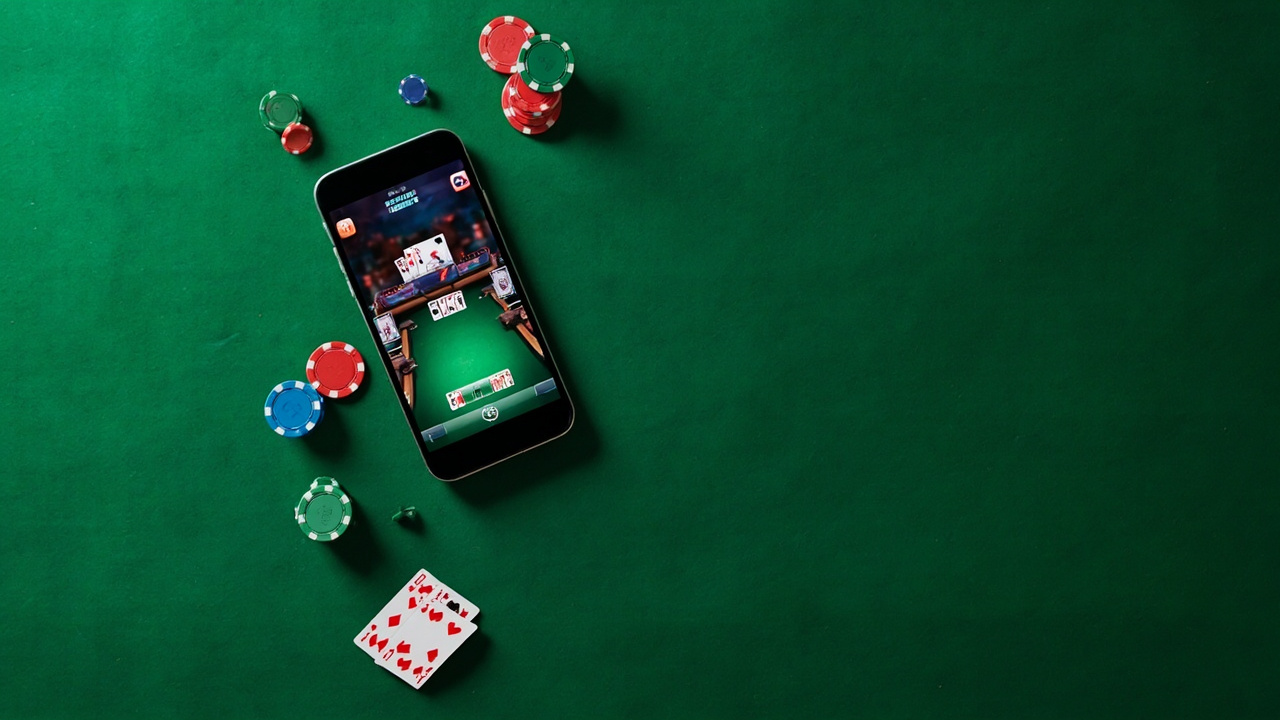
A royal flush pays big, but the probability is brutally small on any single deal. On a standard 9-6 Jacks or Better machine, the odds of being dealt a royal are roughly one in 40,000 hands, and even with optimal play you are still grinding through long dry stretches. What changes the equation is not luck, it is how you manage the draw. When you hold four to a royal, you are trading a guaranteed small pair or two-pair return for a long-odds shot, and that trade only works when the paytable supports it. I have designed loop mechanics where a low-probability feature only survives because the base game funds it steadily; video poker works the same way. The royal is the feature, but the base return from pairs, trips and two pairs is what keeps your session alive while you wait. State point-of-consumption taxes now capture revenue where bets are placed, which means the local market sees tighter margins on these machines, so the paytable discipline matters even more at the counter.
Hold decisions that actually matter
The biggest leaks I see are players breaking up a made hand to chase four cards to a royal when the expected value says otherwise. On 9-6 Jacks or Better, four to a royal usually beats a low pair, but four to a straight flush or four to a flush does not automatically beat a made hand when the royal is the only thing paying top dollar. You need a simple hierarchy in your head: royal draw, straight flush draw, four to a flush or straight, then made hands by rank. If you are sitting with a pair of jacks and a fourth card to a royal, you hold the pair because the royal draw is not strong enough to justify tossing guaranteed money. I once reviewed a lobby layout where the art direction made every hand look like a jackpot moment, which quietly trained players to overdraw. The same psychology shows up here: the royal glow is seductive, but the hold that keeps your return positive is usually the boring one.
| Draw situation | Typical hold | Why it works |
|---|---|---|
| Four to a royal, no made hand | Hold the four | Highest EV when paytable supports it |
| Low pair + one royal card | Hold the pair | Guaranteed return beats long odds |
| Four to a flush, no royal card | Hold the four only if EV clears made hands | Straight/flush pays matter more than chasing the royal |
| Three of a kind | Hold the three | Sets up full house and four-of-a-kind returns |
Paytables, art direction and session design
Not every machine is built the same, and the royal only becomes a realistic target when the paytable is honest. A 9-6 Jacks or Better layout returns about 99.54% with perfect play, while a short-pay version drops quickly and makes the royal chase far more expensive. I have sat through design reviews where the lobby art was polished to a shine but the underlying game mix was loose and unfocused, and the same problem appears when a poker machine uses flashy graphics to hide a weak paytable. You want clear hierarchy on screen, sensible button placement, and a paytable you can read in a couple of seconds, because hesitation costs more than most players realise. The Newcastle crowd I have watched at local venues tends to prefer machines with obvious paytables and steady pacing, which is a sensible instinct when you are chasing a hand this rare.
Practice, pacing and a grounded view
If you are serious about this, you practise the hold logic first, not the jackpot fantasy. Run a few hundred hands on a free or low-stakes machine and focus on the draw decisions, because the royal will only show up when your fundamentals are clean. Cameron Gray, Customer Experience Lead, Southern Star Esports, has noted that players who understand the decision loop stay calmer and quit the bad draws faster, which is a fair point from a design perspective. I reckon the arvo session works best when you treat it like a drill, not a sprint, and keep your pacing steady instead of chasing every flash of the top prize. There is no harm in testing the feel on a 21 bit no deposit bonus if you want a quiet run-through, but the real work is learning when to hold and when to let the royal go. 21 bit no deposit bonus

The royal flush is a beautiful target, but it is not a strategy on its own. The edge comes from paytable selection, disciplined holds, and a session pace that lets the maths do the work. Treat the hand like a decision problem, keep your draws honest, and the royal becomes a rare payoff you can actually plan around rather than a dream you keep buying into.